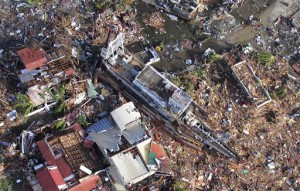
After a storm of criticism China upped its contribution to $1.8 million and dispatched its Peace Ark hospital ship (in photo), but the response paled in comparison to Japan’s $30 million, the United States’ $20 million—and even some private companies’. AP FILE PHOTO BEIJING—Mountains of Norwegian salmon left rotting at port. A beachfront resort in Palau abandoned before completion. A sluggish response to a devastating Philippine typhoon: crossing China’s “red lines” can have painful economic consequences. Beijing is looking to build up its political and diplomatic status as a “major responsible country” commensurate with its global economic position, and improve its cultural reach worldwide. As well as the world’s second-largest economy, China is its biggest trading nation in goods and Africa’s biggest trading partner, a fact highlighted last week by Japan’s attempt to present itself as a competitor on the continent. But experts say Beijing’s tactical moves toward smaller countries risk backfiring against its broader strategy. Beijing has sought to punish Norway since the 2010 Nobel Peace Prize was awarded to jailed dissident and prodemocracy activist Liu Xiaobo—despite Oslo having no control over the prize committee’s decisions. Strict new import controls left Norwegian salmon wasting away in Chinese warehouses, and its market share in the country, once 92 percent, plummeted to 29 percent last year. A musical starring Norwegian 2009 Eurovision winner Alexander Rybak had its tour canceled, and Norwegians are excluded from China’s 72-hour transit visa schemes. Bully boy tactics “The ‘bully boy’ tactics that China has adopted, especially Read More …